
Environmental geoscience · Jagiellonian University
Turning waste
into resource,
soil into health.
Research addresses the recovery of phosphorus and metals from ash and sludge, the development of plant-based routes to cleaner ground, and the movement of plastics through soil and air.
- Field
- Environmental geoscience · Soil science
- Methods
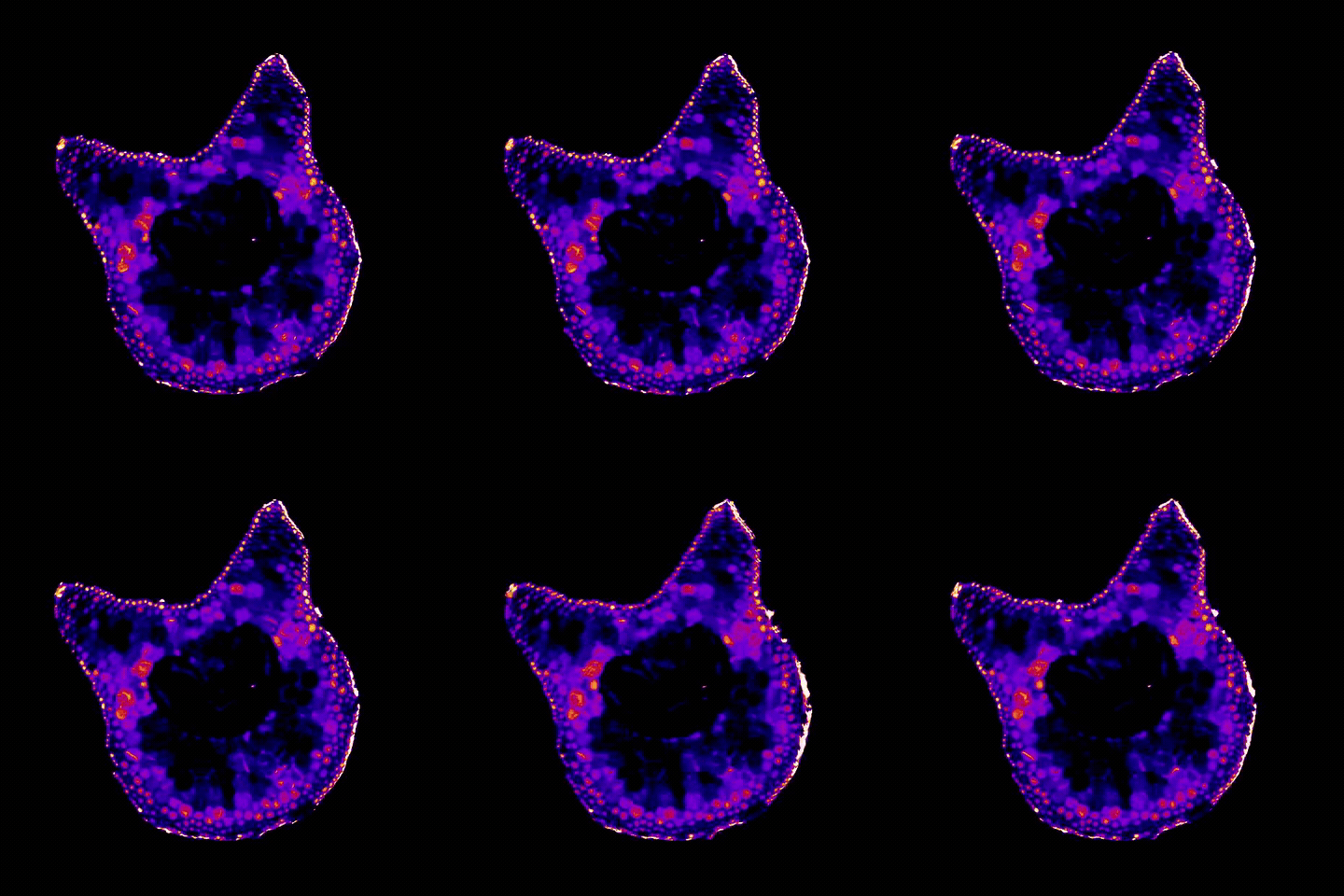
- Phytomining · Element recovery · µXRF imaging
- Based
- Institute of Geological Sciences, Kraków (PL)
“Every layer of waste is a layer of resource we haven't learned to read yet.”
Kinga Jarosz · Institute of Geological Sciences
Research index
Four areas- 01
Soil health & remediation
Restoration of degraded and contaminated soils through plant-based routes to cleaner ground.
- 02
Phytomining & element recovery
Recovery of phosphorus and metals from ash, sludge and low-grade waste using plants and microbes.
- 03
Waste valorisation
Chemical and microbiological reclamation of nutrients and critical elements from incinerated sewage-sludge ash.
- 04
Micro- & nanoplastics
Weathering, extraction and atmospheric transport of plastics through soils and sediment.
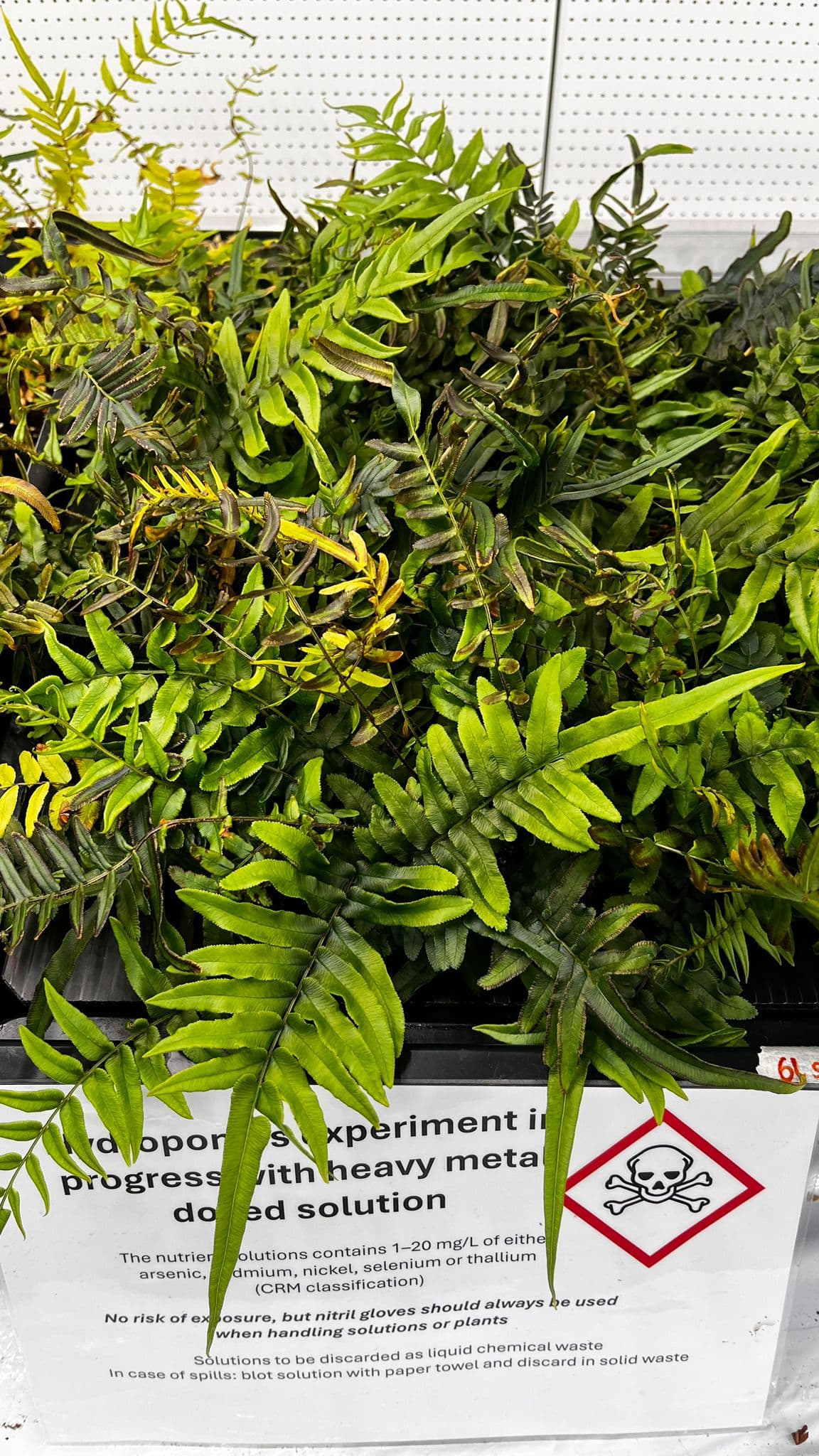
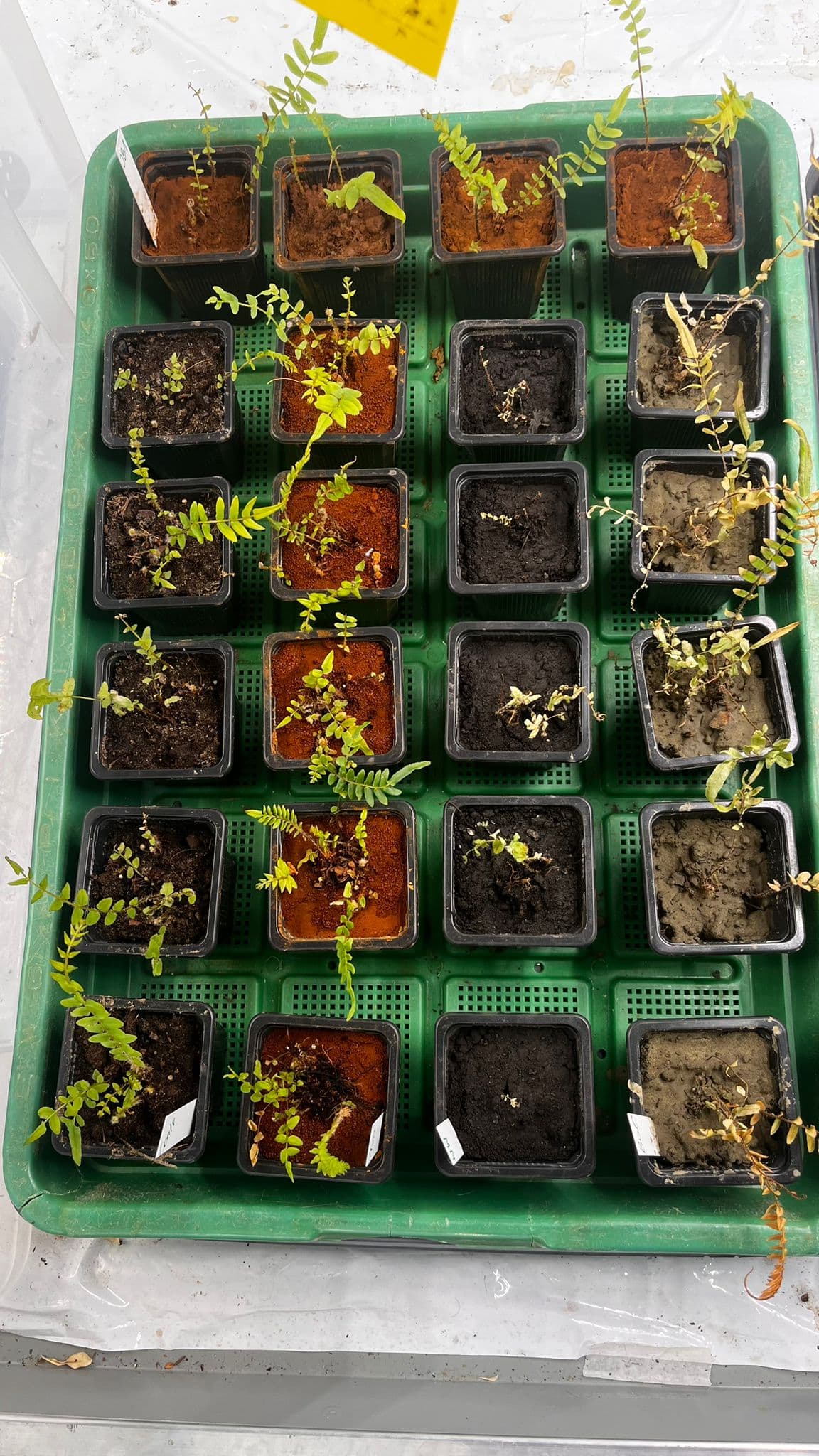
From the lab and greenhouse
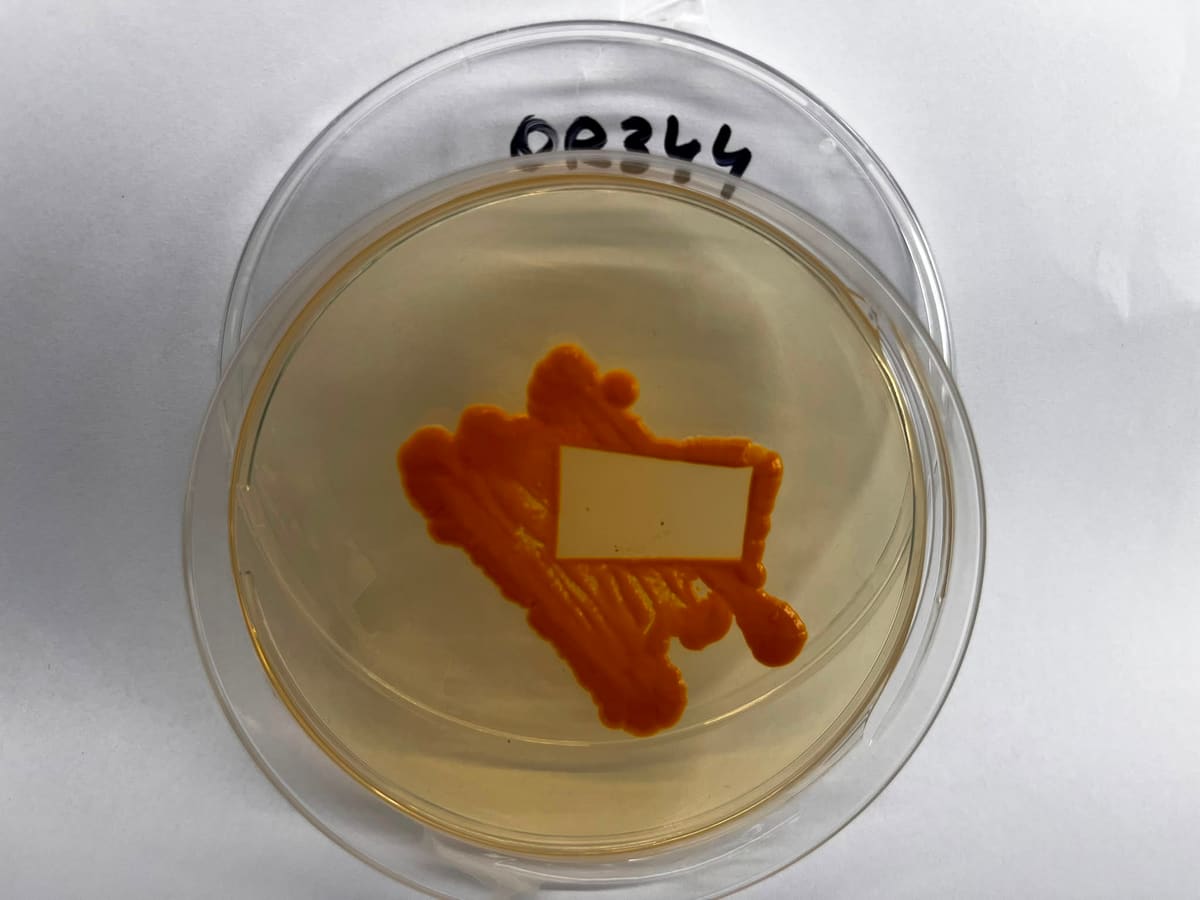
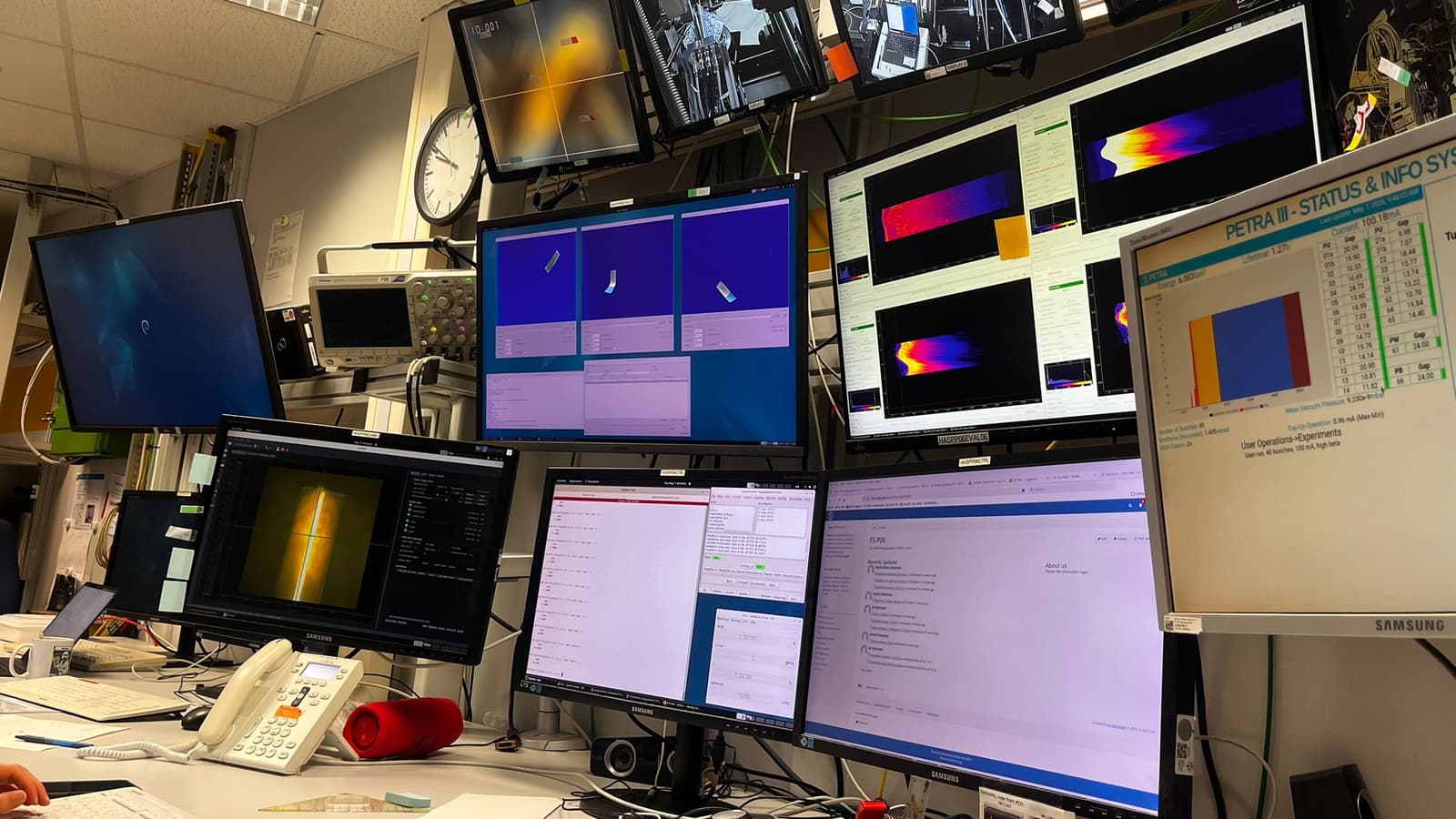
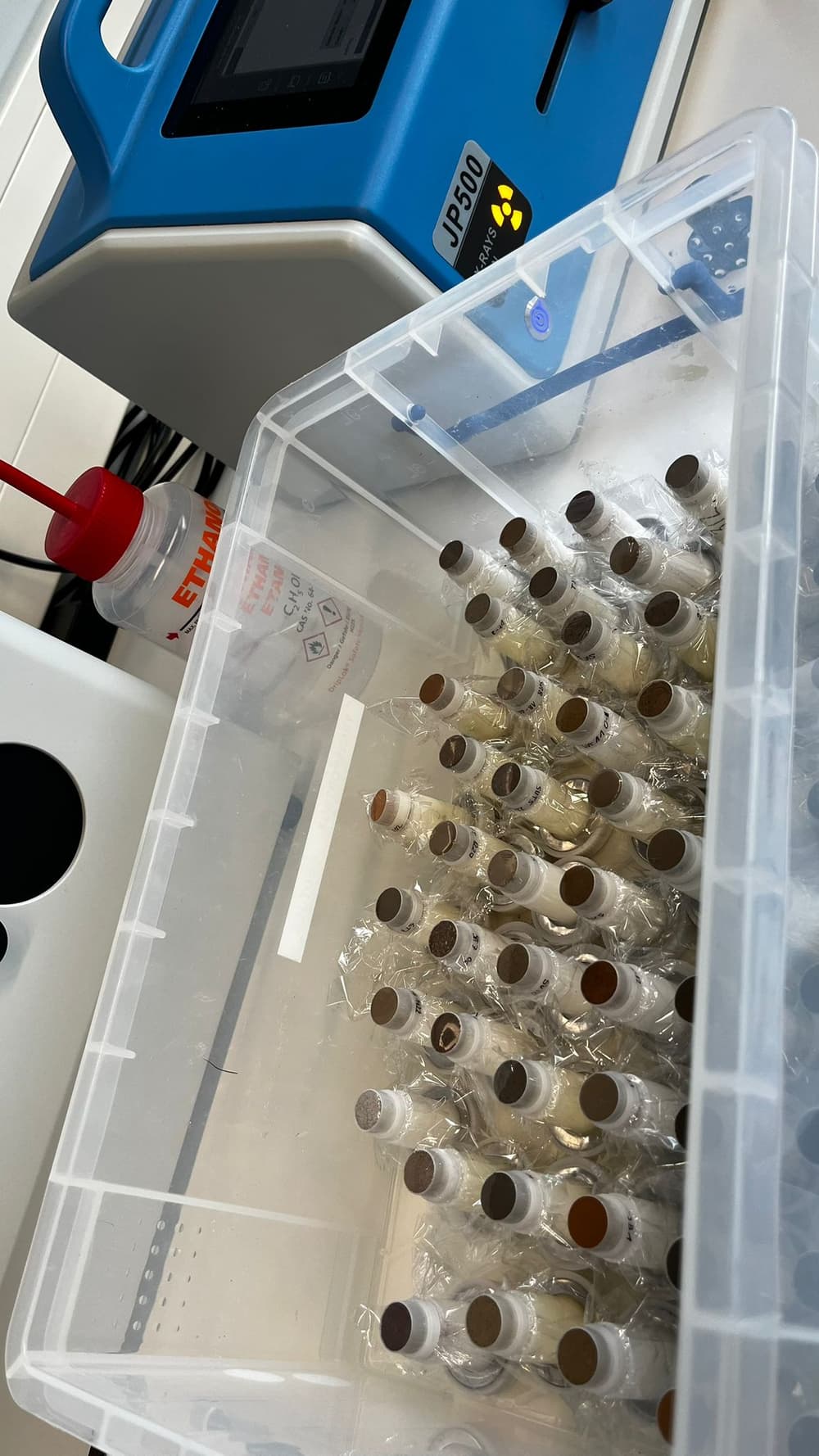
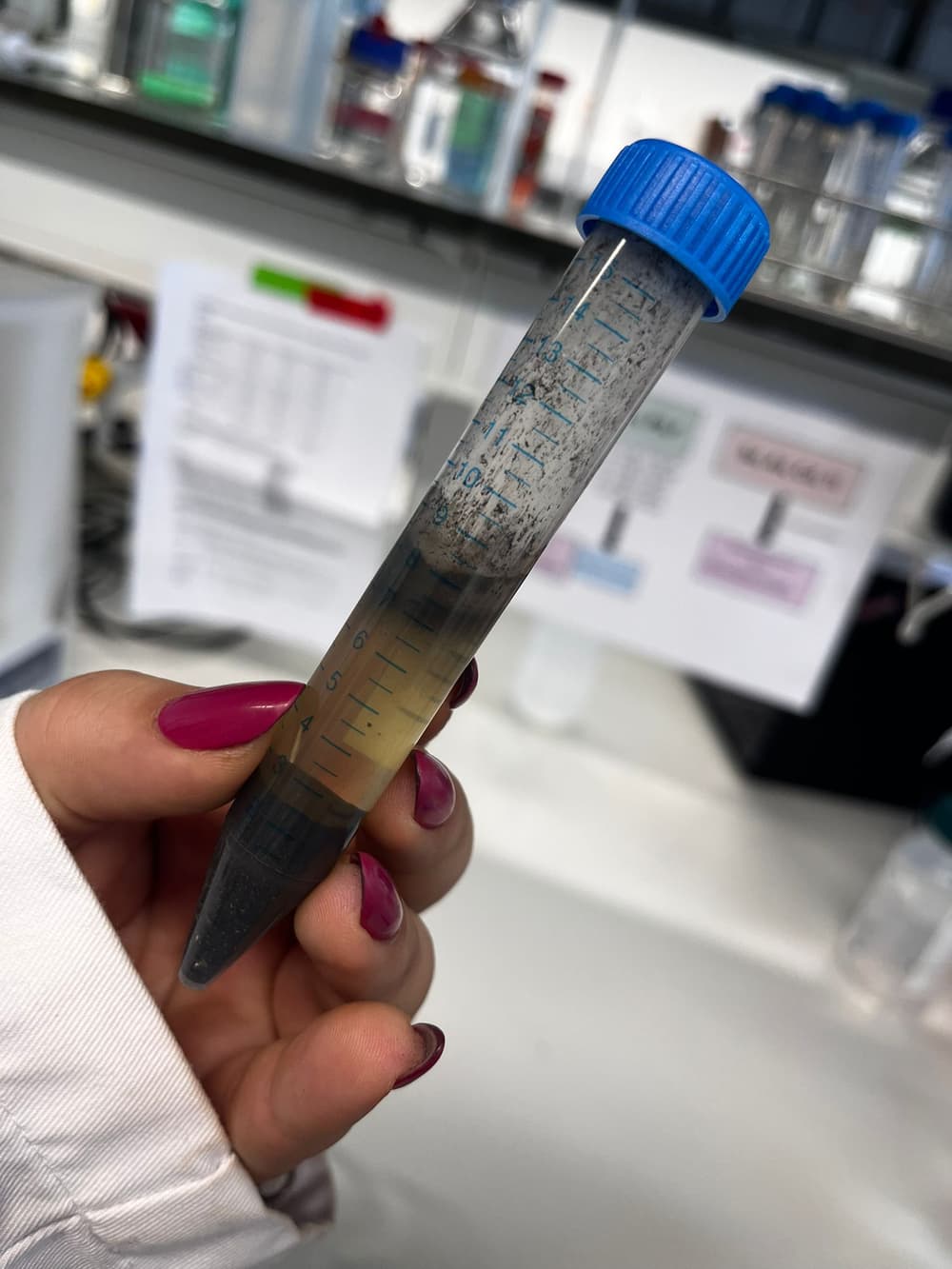
Cultures · plants · samples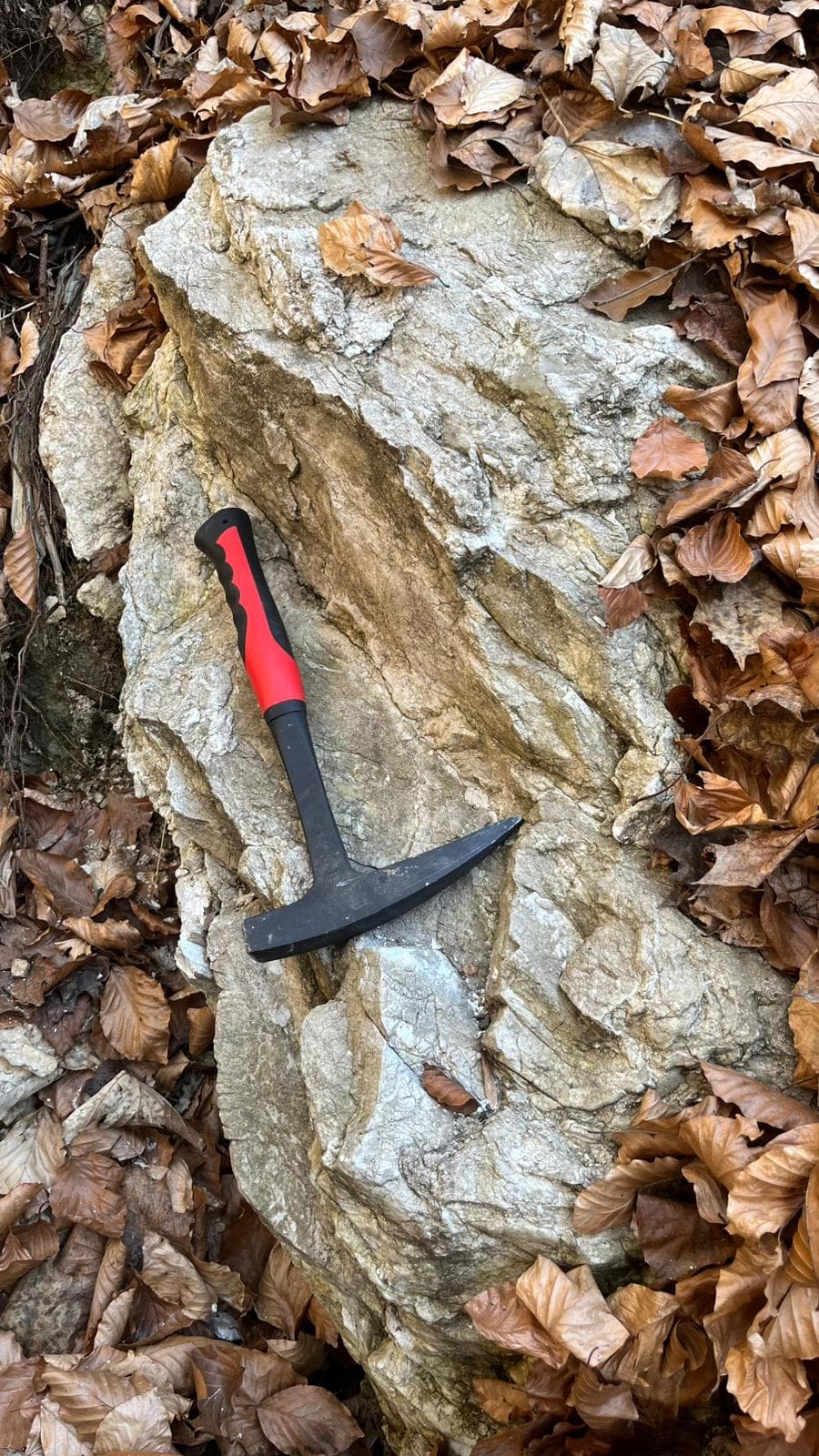
Publications
Selected- Abiotic weathering of plastic: formation of micro- and nanoplasticsMicroplastics
- Watercress (Nasturtium officinale) as a novel plant-based alternativePhytomining
- Recovery and removal of elements from incinerated sewage-sludge ashWaste recovery
- Phosphorus-rich compounds in incinerated sewage-sludge ashesPhosphorus
- Airborne microplastic in atmospheric deposition: a Kraków case studyMicroplastics
- Microplastic extraction from sediment using potassium-formate solutionMethods
Contact
Collaboration and enquiries.
Enquiries regarding collaboration, student projects and research on phytomining, element recovery and environmental plastics are welcome.